September 29, 2025
How Neurofeedback Works to Train the Brain
When people first hear about neurofeedback, they often wonder how it works. The idea of training the brain with technology can feel complex, but the process is both gentle and effective. At Thrive Counseling Services, we use nonlinear neurofeedback, a method that helps your brain return to balance without invasive techniques or external stimulation.
What Is Neurofeedback?
Neurofeedback measures your brain waves and gives immediate feedback when they move outside a healthy range. This feedback helps your brain notice when it is dysregulated and return to stability. Over time, this process supports lasting improvements in focus, emotional regulation, and resilience.Think of it as your brain learning to self-correct. You are not forcing your brain to change. Instead, you are providing cues that allow it to return to balance on its own.
How It Works in Practice
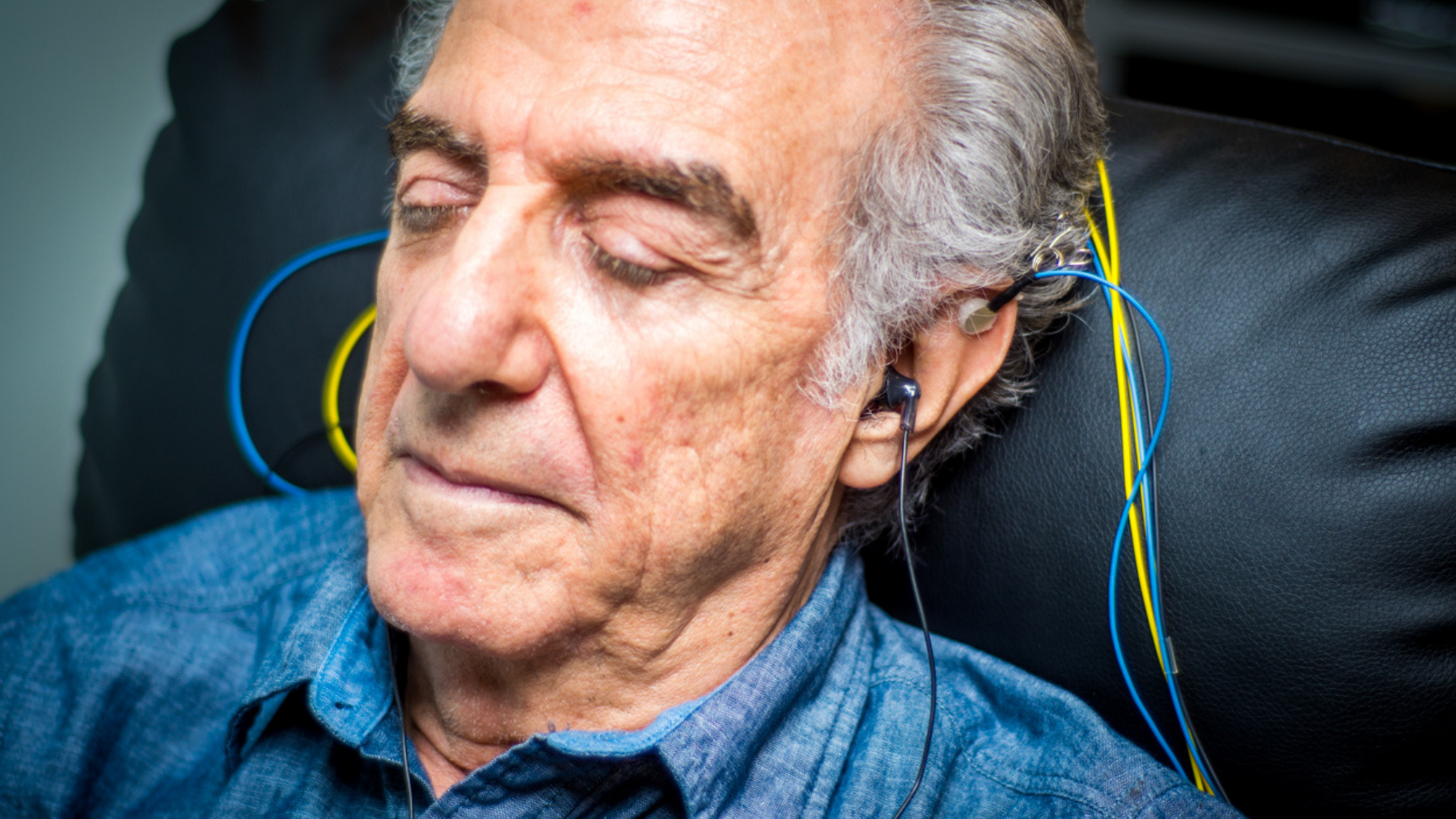
During a neurofeedback session, sensors are placed on the scalp and ears to monitor brain activity. You then listen to music or, for children, sometimes watch a movie. When your brain waves shift outside the target range, the system makes a small interruption—like a skip in the music. That skip brings your brain back to focus.Many clients describe it as similar to “bumpers on the road.” If your brain starts drifting out of its lane, the system nudges it gently back. Over time, your brain becomes better at doing this without external prompts.
What Neurofeedback Can Help With
Neurofeedback can support many areas of mental health and well-being. Clients often notice benefits such as:- Improved focus and attention
- Better emotional regulation
- Reduced anxiety
- Relief from symptoms of ADHD
- Increased resilience to stress
The results can vary from person to person, but the overall goal is the same: to help the brain function in a more regulated and balanced way.
Why Nonlinear Neurofeedback?
There are many types of neurofeedback. Some forms directly manipulate brain waves, which can lead to unwanted effects. At Thrive Counseling Services, we use NeurOptimal®, a sophisticated, nonlinear neurofeedback system designed to work with your brain’s natural intelligence. NeurOptimal® doesn’t push or train your brain in any specific direction—it simply provides real-time feedback, allowing your brain to correct itself and return to balance. Because it doesn’t impose change, the worst outcome is simply that nothing changes. This makes it a safe, gentle, and appealing option for clients who want to explore brain training without added risks.A Complement to Other Therapies
Neurofeedback can stand alone, but it also integrates well with other therapies. For example, pairing it with counseling may help clients apply insights more effectively because their brains are in a more regulated state. Some practitioners even combine neurofeedback with treatments like ketamine therapy, taking advantage of the brain’s neuroplastic state to reinforce new patterns.Moving Toward Balance
At its core, neurofeedback is about helping the brain do what it was designed to do—adapt, adjust, and self-regulate. The process is gentle, non-invasive, and free of external manipulation. Clients often describe it as a way of giving their brain the support it needs to return to its own rhythm.At Thrive Counseling Services, we are committed to offering tools that help people build focus, stability, and resilience. Neurofeedback is one of those tools, and for many clients, it becomes a stepping stone toward a more balanced and fulfilling life.
If neurofeedback sounds like it would be helpful to you, or if you’d like more information, request an appointment online.